01 / 06
People & PPE
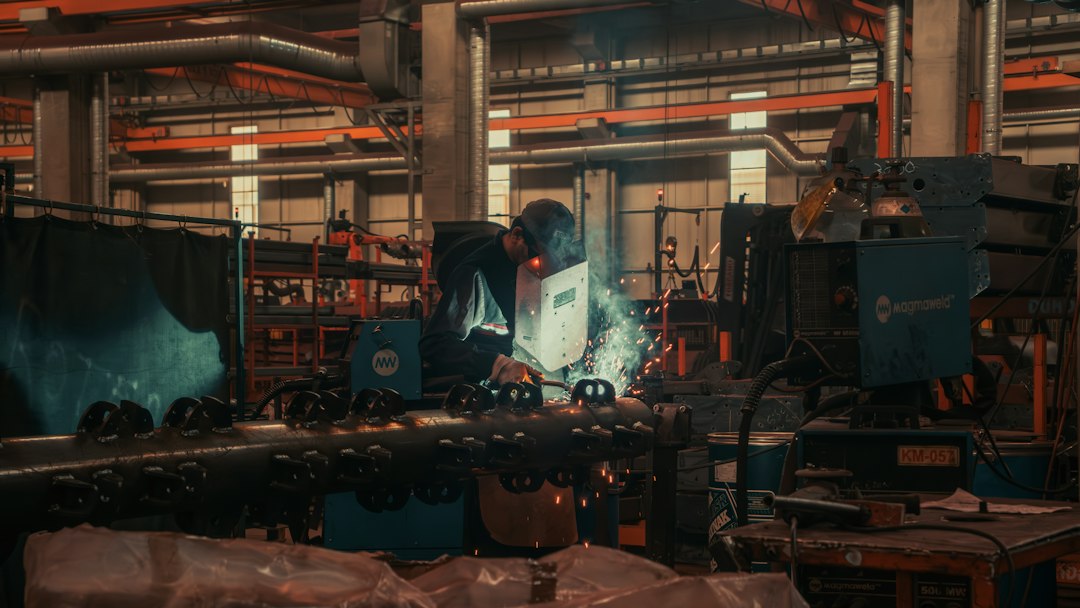
Visual identification of people and protective equipment such as hard hats, vests, goggles, masks, and gloves.
VISUAL INTELLIGENCE FOR CRITICAL OPERATIONS
AI-powered video analytics designed to support operational safety, identify potential risks, and improve visibility across people, equipment, and industrial processes.
Computer vision / Safety / Operational efficiency
CAPABILITIES
Computer-vision use cases can be tailored to the environment, available video sources, and each operation’s priorities.
Visual identification of people and protective equipment such as hard hats, vests, goggles, masks, and gloves.
Detection of presence in restricted areas, proximity to hazards, and access to defined operational zones.
Analysis of actions and work sequences to help identify situations outside defined patterns.
Recognition and tracking of vehicles, trajectories, and movement across operational areas.
Visual monitoring of components and identification of configurable events such as smoke or fire.
Incident records, visual evidence, filters, dashboards, and reports to support human review.
FROM IMAGE TO ACTION
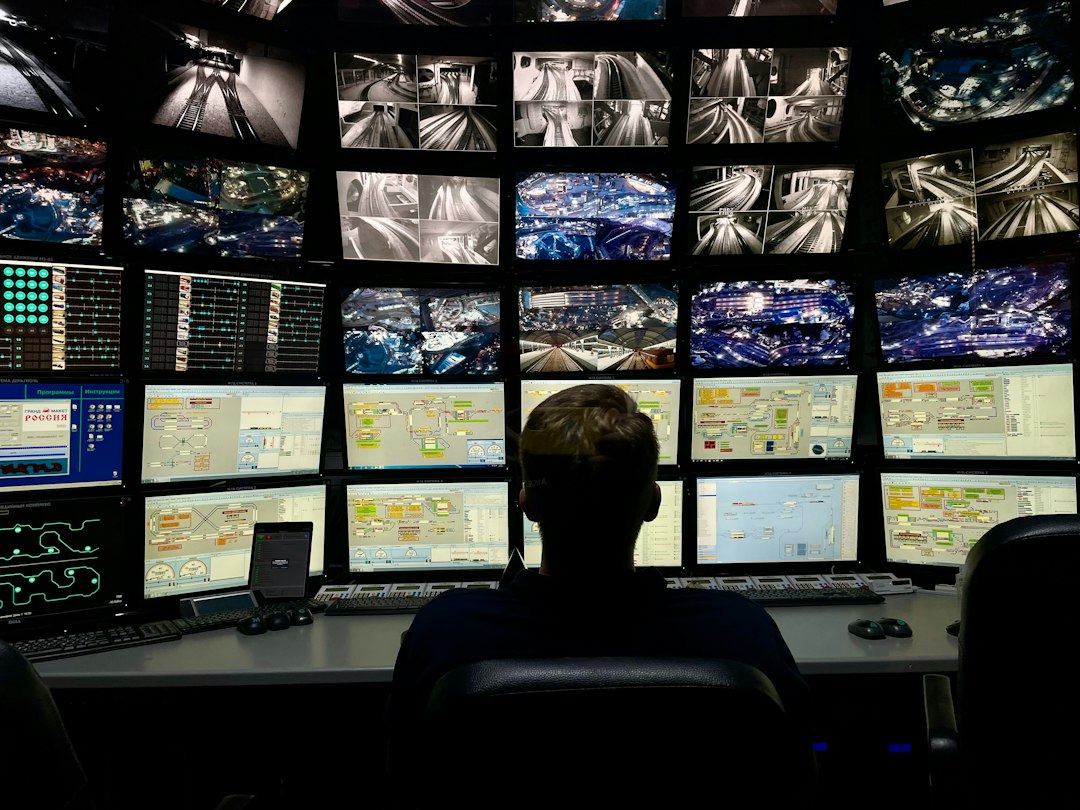
Video analytics turns video streams into structured events. Detected conditions can generate records and alerts based on rules and integrations defined for each facility.
OPERATING MODES
Select the analytics model based on event urgency, available recordings, and facility requirements.
Analyze live video and, depending on configuration, send notifications and alerts to support timely response.
Review recorded video to locate relevant events, examine incidents, and organize evidence for analysis.
POTENTIAL APPLICATIONS
Use cases should be defined with operational teams and validated against the real conditions at each site.
FROM SCOPE TO OPERATIONS
Scope is established after reviewing cameras, infrastructure, priority risks, and the systems that need to integrate.
Map objectives, risks, video sources, and success criteria.
Test priority scenarios with available footage and agreed metrics.
Prepare infrastructure, events, access, and applicable integrations.
Review events and adjust scenarios as operational needs evolve.
ARCHITECTURE & INTEGRATION
Compatibility is assessed technically. Existing cameras and systems may be reused whenever adequate support is available.
NEXT STEP
A technical assessment helps identify available video sources, select priority use cases, and define how results should be validated.